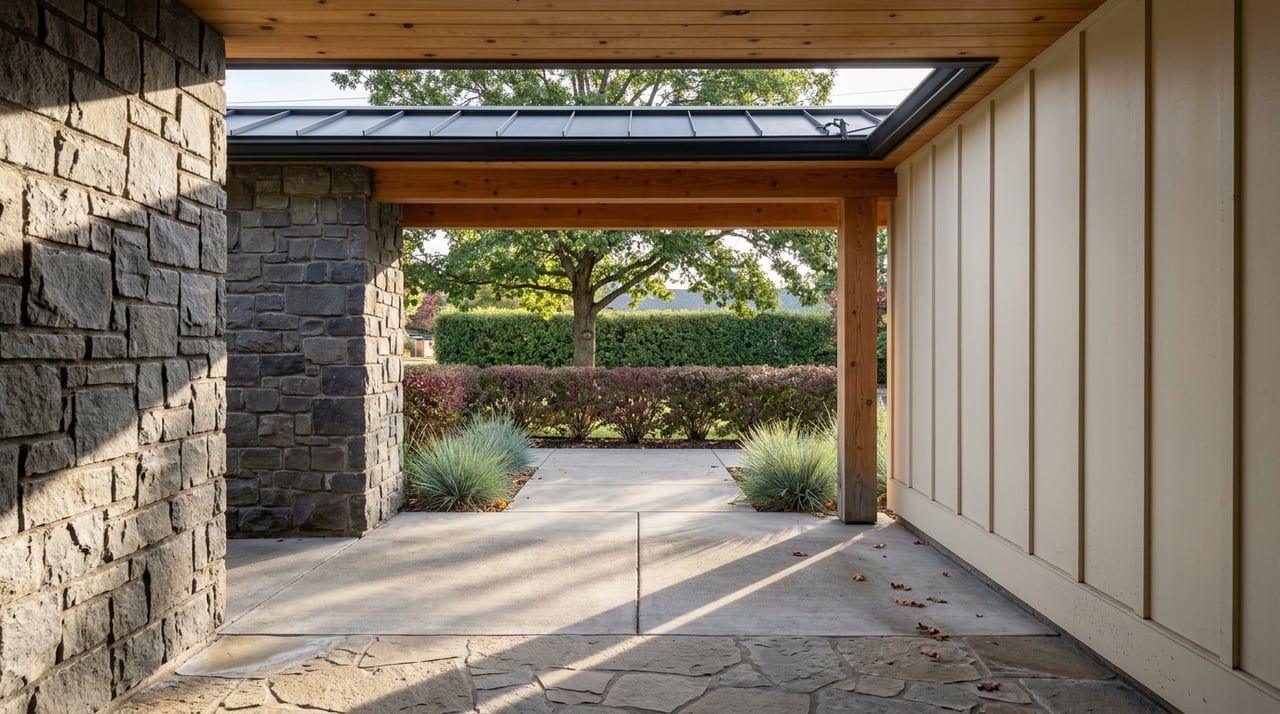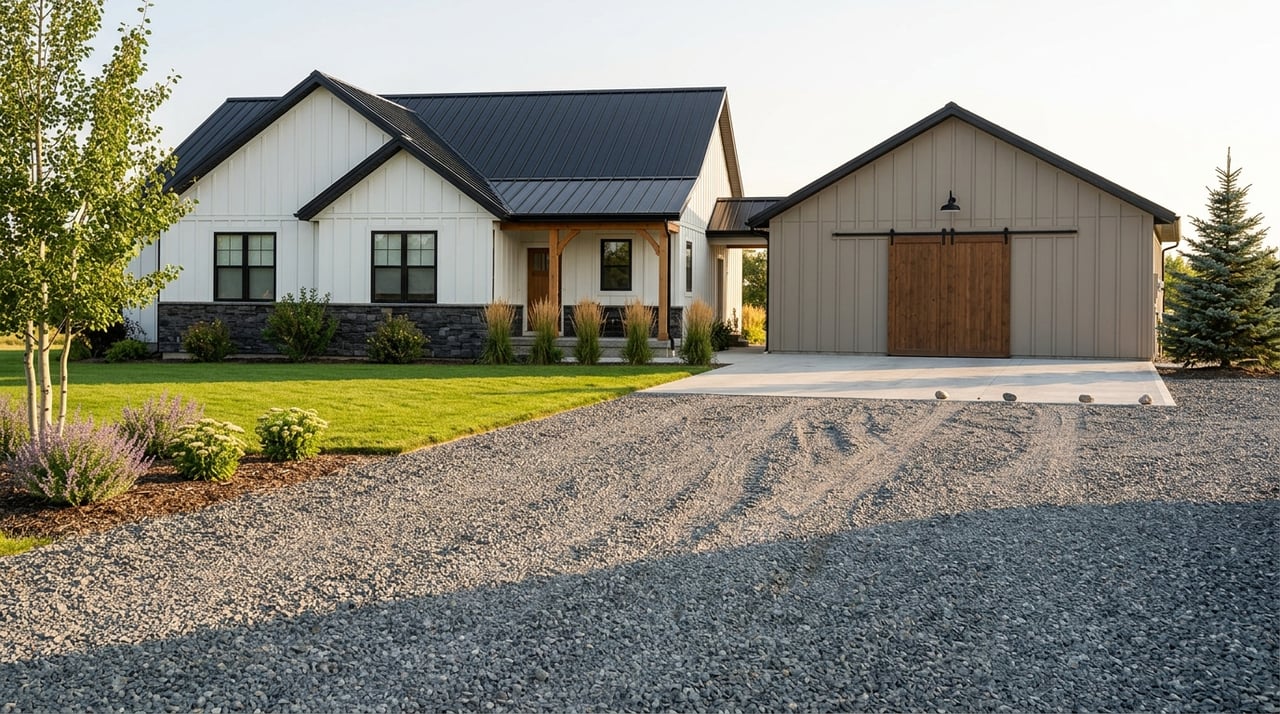
Buying your first acreage home can sound like the best of both worlds: more space, more privacy, and room to actually use your property the way you want. But in a place like Rigby, that extra space can also come with extra decisions. If you are wondering whether Rigby is the right fit for your first acreage purchase, this guide will help you weigh the lifestyle, the property types, and the ownership details that matter most. Let’s dive in.
Why Rigby Appeals to Acreage Buyers
Rigby offers a small-city setting with access to the larger Idaho Falls area. Census estimates put Rigby’s population at 5,757 in 2025, and the city’s comprehensive plan describes it as a bedroom community to Idaho Falls. That matters if you want more room without feeling far removed from work, errands, and daily routines.
For many buyers, the location hits a practical middle ground. Rigby’s mean travel time to work is 22.7 minutes, which helps explain why it can appeal to people who want land while staying within the Idaho Falls-Rigby commute orbit. In simple terms, you may be able to trade a tighter in-town lot for more usable space without giving up convenience entirely.
What “First Acreage” Usually Means in Rigby
In Rigby, first acreage usually does not mean a massive ranch property. Based on current listing activity, the more common entry point looks closer to one acre, with some parcels running larger. Visible land listings have included lots around 1.07, 1.31, 1.36, 2.67, and 5 acres.
That pattern shows up in home listings too. Recent examples have included a 1.25-acre, 3-bedroom home listed at $300,000, a 1.02-acre, 4-bedroom home listed at $695,000, and a 1.01-acre, 5-bedroom home listed at $710,000. The takeaway is that “acreage” in Rigby often starts at a manageable size rather than jumping straight into large-scale land ownership.
Entry-Level Acreage Is Often About Flexibility
For a first-time acreage buyer, that can be a good thing. A one-acre property may give you space for storage, outdoor projects, gardening, or a shop without creating the same level of upkeep as a much larger tract. It can feel more like a lifestyle upgrade than a full shift into agricultural land ownership.
Listing descriptions also suggest that many acreage buyers in Rigby are looking for practical features such as attached garages, garden space, and outbuildings. That points to a market shaped by everyday use, not just scenery. If you want elbow room and utility, Rigby may offer options that fit that goal.
What Homes on Acreage Tend to Look Like
Rigby’s acreage inventory often reads as a suburban-rural transition. Instead of isolated properties far from services, many listings seem to serve buyers who want more land while staying connected to Rigby and Idaho Falls. That can be especially appealing if you want a bit more freedom in how you use your property.
You may see homes with shop space, larger driveways, or room for equipment and hobbies. Depending on the parcel, you may also find space that supports animals or future outdoor improvements. Still, each property can function very differently, so it is important to look beyond the lot size and ask how the land is actually set up to be used.
The Big Question: City Utilities or Private Systems?
This is one of the most important parts of buying acreage in Rigby. If a property is inside city limits, Rigby says residential utility service includes water, sewer, garbage, and a sewer bond, currently billed at $130 per month, with a $260 deposit for new service. That gives you a clear baseline for comparing homes that are city-served.
Outside city services, the conversation changes. On rural acreage, you need to verify whether the property uses a private well, septic system, or other non-city arrangements. You should never assume that acreage near town automatically means city water and sewer.
Septic Rules Matter Early
In this area, septic is not something to treat as a minor detail. Eastern Idaho Public Health says its septic program reviews applications, performs onsite evaluations, issues permits, and conducts inspections. Its permit packet also states that a septic permit is required before a building permit can be issued.
That is especially important if you are buying land to build on, or buying a property where future improvements are part of your plan. The permit lasts two years, final inspection is required before the system is covered, and the office requires 48 hours’ notice for inspections. If your first acreage dream includes adding onto the property later, these details matter.
Well Ownership Comes With Ongoing Responsibility
Private wells can offer independence, but they also create maintenance and testing responsibilities. Idaho DEQ says private wells are the owner’s responsibility and are not regulated like public water systems. That means you need to take an active role in understanding your water source.
DEQ recommends annual testing for nitrate and coliform bacteria, plus additional testing for other contaminants every three to five years. For a first-acreage buyer, this is one of the clearest mindset shifts. You are not just buying a house. You may also be taking on systems that need regular oversight.
Costs Buyers Often Miss
Acreage homes can be exciting, but the monthly payment is only part of the picture. One surprise for many buyers is how property taxes and exemptions work. In Idaho, the homeowner’s exemption applies to a primary residence and up to one acre of land.
According to the Idaho State Tax Commission, the exemption covers 50% of the home’s value plus that acre, up to a maximum of $125,000. On a multi-acre property, the land beyond that first acre remains taxable. If you are comparing a standard lot to a multi-acre parcel, that is an important long-term cost difference to understand.
Irrigation Is Not Automatic
Another common misunderstanding is assuming rural land automatically comes with irrigation access or water delivery. Jefferson County staff have noted in subdivision review that approvals may require compliance with Idaho Code 31-3805 when land is within an irrigation district or canal company. In the same staff report, a developer planned for individual domestic wells with no surface-water delivery to the lots.
That is a useful reminder for buyers. If irrigation matters to you for landscaping, gardening, or other land use, you need to verify exactly what exists on the property. Do not assume that a larger parcel comes with the water setup you want.
Fire and Land Management Considerations
Owning more land can also mean thinking more carefully about safety and maintenance. Central Fire District serves Rigby, Ririe, Lewisville, and Menan from four stations, with about 70 volunteers and a full-time ambulance service supported by quick-response units. The district also says controlled burns require permits and are regulated by current climate conditions.
That is worth knowing if you are picturing seasonal cleanup or outdoor burning on your property. Jefferson County staff have also required study of a fire-suppression water source in a Rigby-area subdivision. For first-time acreage owners, fire planning may not be the first thing on your checklist, but it should still be part of how you evaluate a property.
When Rigby Is a Strong Fit
Rigby can be a strong first-acreage choice if you want more space without disconnecting from the Idaho Falls area. It may fit well if your priority is a bigger parcel, room for a shop, extra storage, or more flexibility in how you use your property day to day. In many cases, the local market offers that balance better than buyers expect.
It can also be a practical option if you are comfortable learning the systems that often come with acreage ownership. That includes things like wells, septic, taxation beyond one acre, and possible irrigation questions. If you see those as manageable responsibilities rather than deal-breakers, Rigby may feel like a smart next step.
When Rigby May Not Be the Best Match
Rigby may be less ideal if you want a very simple ownership experience with city utilities and minimal land-related upkeep. Acreage homes often ask more of you as an owner, even when the property itself is not especially remote. More land usually means more decisions, more maintenance, and more verification during the buying process.
It may also be a tougher fit if your budget leaves little room for property improvements, testing, repairs, or utility-related surprises. A one-acre home can look straightforward at first glance, but the real question is whether you feel ready for the full picture of ownership. That answer matters just as much as the list price.
How to Judge If It Fits You
Before you fall in love with the idea of acreage, ask yourself a few practical questions:
- Do you want space for a clear purpose, like a shop, garden, storage, or outdoor projects?
- Are you comfortable owning and monitoring private systems if the property is not on city utilities?
- Have you looked at tax implications beyond the first acre?
- Does irrigation access matter for how you plan to use the land?
- Are you prepared for added upkeep compared with an in-town lot?
If you can answer those questions with confidence, Rigby may be a very good place to start your acreage search. If not, that does not mean acreage is off the table. It may just mean you need the right guidance and the right property match.
A first acreage home should feel exciting, but it should also feel workable for your real life. In Rigby, the opportunity is often not about owning a huge spread. It is about gaining practical space, lifestyle flexibility, and a little more breathing room while staying connected to the broader Southeast Idaho market. If that balance is what you are looking for, Rigby deserves a serious look.
If you want help sorting through acreage options in Rigby and the surrounding Southeast Idaho market, Abigail Martin offers calm, locally grounded guidance to help you evaluate what fits your goals.
FAQs
What counts as a first acreage home in Rigby?
- Current listings suggest that about one acre is a common starting point for acreage properties in Rigby, though some parcels are larger.
Are Rigby acreage homes always on city water and sewer?
- No. Properties inside city limits may have city utility service, but many acreage properties require you to verify whether they use private well and septic systems.
Does the Idaho homeowner’s exemption cover all the land on a Rigby acreage property?
- No. The homeowner’s exemption applies to a primary residence and up to one acre of land, subject to the current maximum exemption amount.
Should you test the well water on a Rigby acreage property?
- Yes. Idaho DEQ recommends annual testing for nitrate and coliform bacteria, with broader contaminant testing every three to five years.
Is irrigation included with every acreage parcel near Rigby?
- No. Jefferson County materials show that irrigation or surface-water delivery should never be assumed, so you should verify what water access exists for any property you are considering.
What utility costs should you compare when looking at Rigby acreage homes?
- A helpful starting point is whether the property is city-served or uses private systems. Inside Rigby city limits, residential utilities are currently billed at $130 per month, with a $260 deposit for new service.