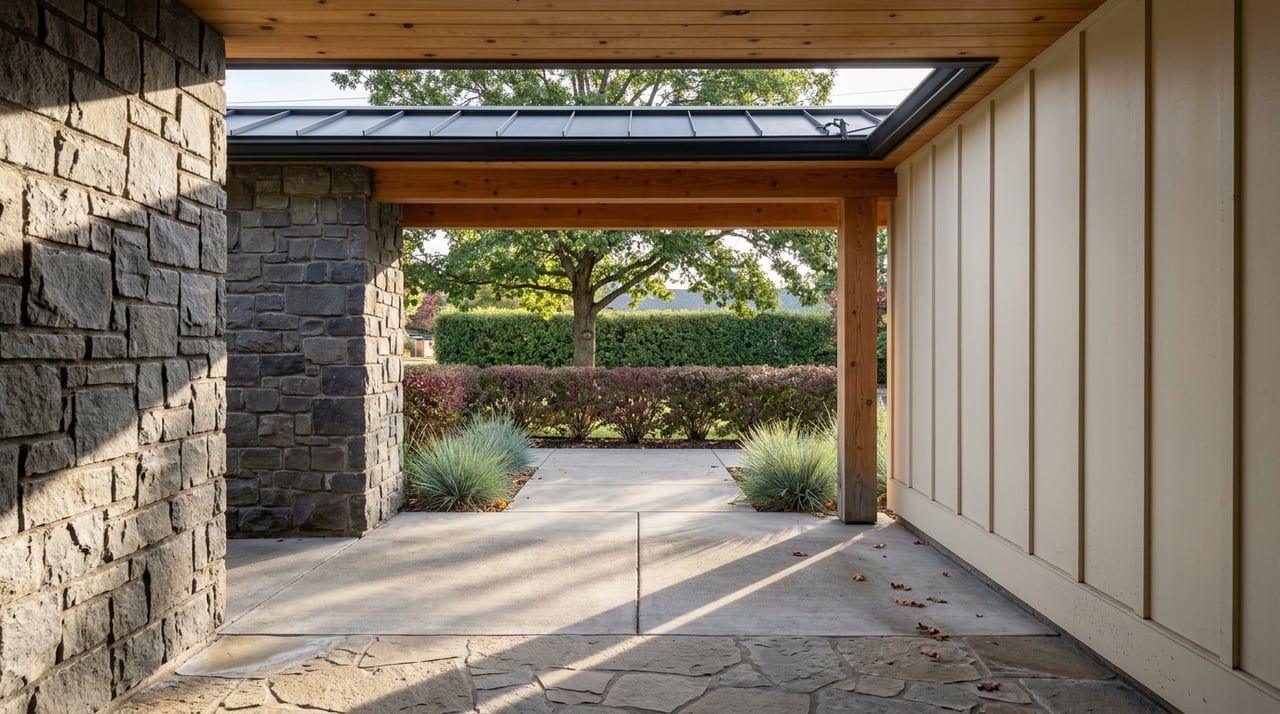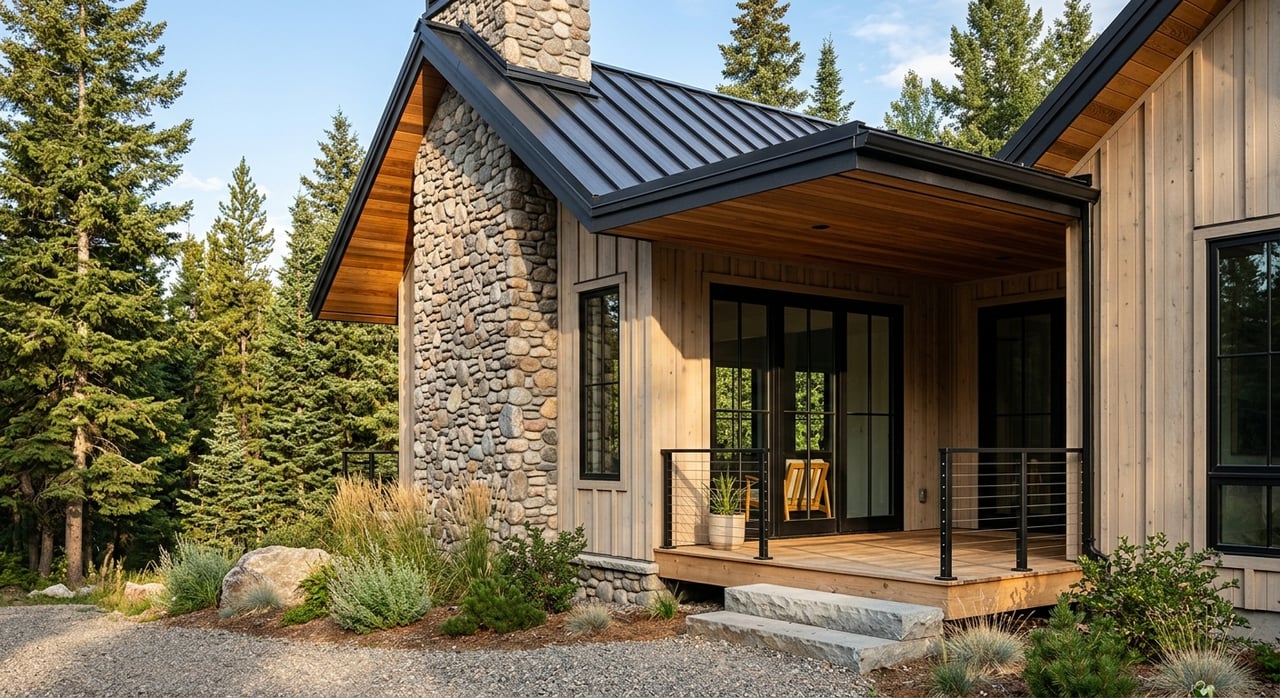
Dreaming about a cabin escape in Fremont County? You are not alone. For many buyers, the appeal is easy to understand: mountain scenery, year-round recreation, and the chance to own a place that feels like a retreat while still serving a practical long-term goal. If you are considering a cabin or second home here, the key is knowing what to look for before you fall in love with the view. Let’s dive in.
Why Fremont County draws second-home buyers
Fremont County has become a natural fit for cabin and second-home buyers, especially in the Island Park corridor. The county describes Island Park as a unique historical and geological area in north Fremont County that stretches across a high-altitude basin formed by an ancient caldera.
That setting is a big part of the draw, but it is not the whole story. Fremont County highlights waterfalls, high-altitude lakes, natural springs, and winter recreation, while the Ashton/Island Park District of the Caribou-Targhee National Forest covers about 700,000 acres and is known for fishing, camping, hiking, and snowmobiling.
For many buyers, this creates a rare combination. You get a lifestyle property that can support weekend use, seasonal trips, or a longer-term second-home plan, all in a part of Southeast Idaho that feels both scenic and adventure-focused.
What the market looks like
If you are shopping for a cabin or second home in Fremont County, it helps to understand that prices can vary widely by area and property type. Current market snapshots suggest that recreation-oriented areas like Island Park often command a premium compared with the county overall.
Zillow shows typical home values in Fremont County at about $472,388, while Realtor.com shows median listing prices in Island Park around $712,450. These figures are not directly comparable, but they do point to a clear pattern: buyers are often paying more for location, access to recreation, and the cabin lifestyle that Island Park offers.
That does not mean every property fits the same mold. In this market, value can depend heavily on access, lot features, utility setup, condition, and whether the home is ready for immediate use or needs updates.
What cabin properties often include
Cabin inventory in and around Island Park often includes a mix of styles and setups. Current listings commonly feature cabins, log cabins, A-frames, waterfront homes, wooded parcels, and vacant lots.
You may also see features designed for recreation-focused ownership, such as decks, bunk rooms, mudrooms, RV or toy storage, furnished turnkey setups, and year-round access. These details can make a big difference depending on how you plan to use the property.
A furnished cabin may be appealing if you want a simpler transition into ownership. A property with storage for outdoor gear, for example, may better fit a buyer who plans to use the home often for snowmobiling, fishing, or extended family trips.
Look beyond the cabin itself
It is easy to focus on finishes, views, and square footage. In Fremont County, though, some of the most important questions are about how the property functions day to day and season to season.
Before you buy, it is worth looking closely at issues like road access, driveway conditions, water source, wastewater setup, and any neighborhood rules that may affect how you can use the property. These details can shape your ownership experience just as much as the home itself.
Check road access carefully
Road access is one of the most important due diligence items for rural and second-home buyers in Fremont County. County code requires access that meets county or state standards and also sets expectations for driveway geometry and drainage.
In practical terms, this means you should not assume every cabin is equally easy to reach or maintain. A beautiful property can feel very different once you factor in winter conditions, road upkeep, and how comfortably you can get in and out throughout the year.
Verify water and septic capacity
Water and wastewater systems are another major part of the equation. Fremont County code contemplates municipal water, community or private wells, municipal or county sewer, and private or community septic systems.
The county’s standards also build in water testing and septic-capacity evaluation. If you are buying a second home that may host guests often or serve as a rental in some form, capacity and system condition become especially important to confirm early.
Review CC&Rs and subdivision rules
County rules are only one part of the picture. Some cabin communities and subdivisions have their own covenants, conditions, and restrictions that can be just as important.
Current Island Park listings show that some subdivisions are covenant-heavy. One listing example in Sawtell Estates specifically notes strong covenants and no rentals. That is a good reminder that if you plan to use a cabin as a rental, or even want flexibility for the future, neighborhood documents need close review.
Winter access can shape your decision
In this part of Fremont County, winter access is not a small detail. It can be a defining ownership issue.
The Idaho Transportation Department advises travelers to plan ahead with Idaho 511 and has repeatedly warned about work and closures on US-20 through Island Park, which it identifies as the primary route to Yellowstone’s west access. That matters if you plan to use your cabin regularly in winter or expect guests to come and go during snowy months.
The Forest Service also uses winter-range restrictions and road or area closures in the Ashton/Island Park District. At the same time, Fremont County Parks & Recreation says it oversees more than 500 miles of groomed snowmobile trails in Island Park and surrounding areas, weather permitting.
This mix creates both opportunity and responsibility. Winter recreation is a major reason people buy here, but you want a clear understanding of how your property is accessed, what roads are maintained, and what seasonal limitations could affect travel.
Fire season is part of ownership planning
Owning a cabin in a recreation area also means paying attention to seasonal fire rules. Idaho Department of Lands says fire restrictions apply to all lands within a designated restriction area regardless of ownership.
During closed fire season, from May 10 through October 20, burning is regulated on state and private lands. The department also notes spark-arrestor requirements for internal-combustion engines during that period.
For buyers who plan to spend time using ATVs, chainsaws, or similar equipment, this is more than a technical detail. It is part of owning responsibly and planning ahead for how you use the property throughout the warmer months.
Budget for the real cost of a second home
The purchase price is only part of the financial picture. A second home in Fremont County may also come with ongoing carrying costs that deserve close attention.
Property taxes are one of the biggest. Fremont County says assessment notices go out in early June, tax bills are mailed in November, and Idaho law requires a five-year reappraisal cycle.
There is also an important distinction for second-home buyers. The county assessor says the homeowner’s exemption is for people who own and live in the home full-time, so a true second home generally will not qualify.
That means your tax planning should reflect the property’s actual use, not assume benefits meant for a primary residence. If you are comparing a full-time move with a part-time cabin purchase, this can be an important budget factor.
Thinking about rental potential?
Many buyers ask whether a cabin or second home in Fremont County can also help offset ownership costs. That can be part of the strategy, but it is important to separate possibility from assumption.
A practical way to think about these purchases is in three buckets:
- A pure lifestyle retreat
- A rental-capable asset
- A property that blends personal use and rental goals
No matter which bucket fits you best, the same core questions still matter. Can you access it easily in winter? Does it have the water and septic capacity you need? Do neighborhood rules allow the use you have in mind?
Understand Idaho lodging taxes
In Idaho, lodging rentals of 30 days or less are taxable. The Idaho State Tax Commission’s lodging guidance includes cabins, vacation homes, and private residences.
The current state sales tax rate is 6%, and the travel-and-convention tax is 2%. The commission also says some marketplace platforms can collect and remit certain taxes, and marketplace-only hosts may have less registration burden than owners who rent directly.
Some Idaho resort cities may also layer on local sales taxes, so it is wise to verify the exact tax structure that applies to a specific property. The goal is to understand the real operating picture before you buy, not after.
Know the local Fremont County nuance
Fremont County’s planning page adds an important local detail. It says Idaho’s short-term-rental law forbids cities and counties from requiring a license, fee, permit, certification, or registration before a dwelling can be rented short-term.
Even so, the county still points owners to transient-rental forms and utility-capacity materials. For buyers, that means you should verify how those county materials apply to the parcel and use case you are considering rather than assuming every property is automatically rental-ready.
A smart buying checklist
If you are serious about buying a cabin or second home in Fremont County, a focused checklist can help you make a more confident decision.
- Confirm year-round and winter access
- Review driveway and road conditions
- Verify water source and test requirements
- Check septic type and capacity
- Read all CC&Rs and subdivision rules
- Ask whether rental use is restricted
- Budget for taxes without assuming a homeowner’s exemption
- Review seasonal fire restrictions and equipment rules
- Understand likely travel conditions on major routes
These steps may not be the most glamorous part of the search, but they are often the difference between a smooth ownership experience and an expensive surprise.
Why local guidance matters
Cabin and second-home purchases often involve more moving pieces than a typical home search. In Fremont County, those pieces can include seasonal access, utility questions, subdivision restrictions, tax planning, and use strategy all at once.
That is why local guidance matters. You want someone who can help you look past the surface appeal of a property and evaluate how it fits your real goals, whether that means a private retreat, a lifestyle purchase with flexibility, or a long-term investment-minded hold.
Buying a cabin should feel exciting, but it should also feel clear. If you are exploring Fremont County or Island Park and want thoughtful guidance grounded in Southeast Idaho market knowledge, connect with Abigail Martin for a calm, strategic approach to your next move.
FAQs
What makes Fremont County appealing for a cabin or second home?
- Fremont County, especially the Island Park corridor, attracts buyers with its high-altitude setting, access to waterfalls, lakes, springs, winter recreation, and proximity to the outdoor amenities of the Ashton/Island Park District.
What types of cabin properties are common in Island Park?
- Buyers often find cabins, log cabins, A-frames, waterfront homes, wooded parcels, and lots, along with features like decks, bunk rooms, mudrooms, toy storage, furnished setups, and year-round access.
What should you verify before buying a cabin in Fremont County?
- You should carefully confirm road access, driveway conditions, water source, septic or sewer setup, utility capacity, and any CC&Rs or subdivision restrictions that may affect how you use the property.
How important is winter access for a second home in Fremont County?
- Winter access is a major ownership issue because travel conditions, road work, and seasonal closures can affect how easily you reach the property, especially in the Island Park area.
Can you use a Fremont County cabin as a short-term rental?
- Possibly, but you need to verify subdivision rules, utility capacity, and how county materials apply to the specific parcel, since local documents may limit rentals even if state law restricts certain local licensing requirements.
Do second homes in Fremont County qualify for the homeowner’s exemption?
- In general, a true second home does not qualify because Fremont County says the homeowner’s exemption is for people who own and live in the home full-time.